Xiaomi Smart Glasses Roadmap
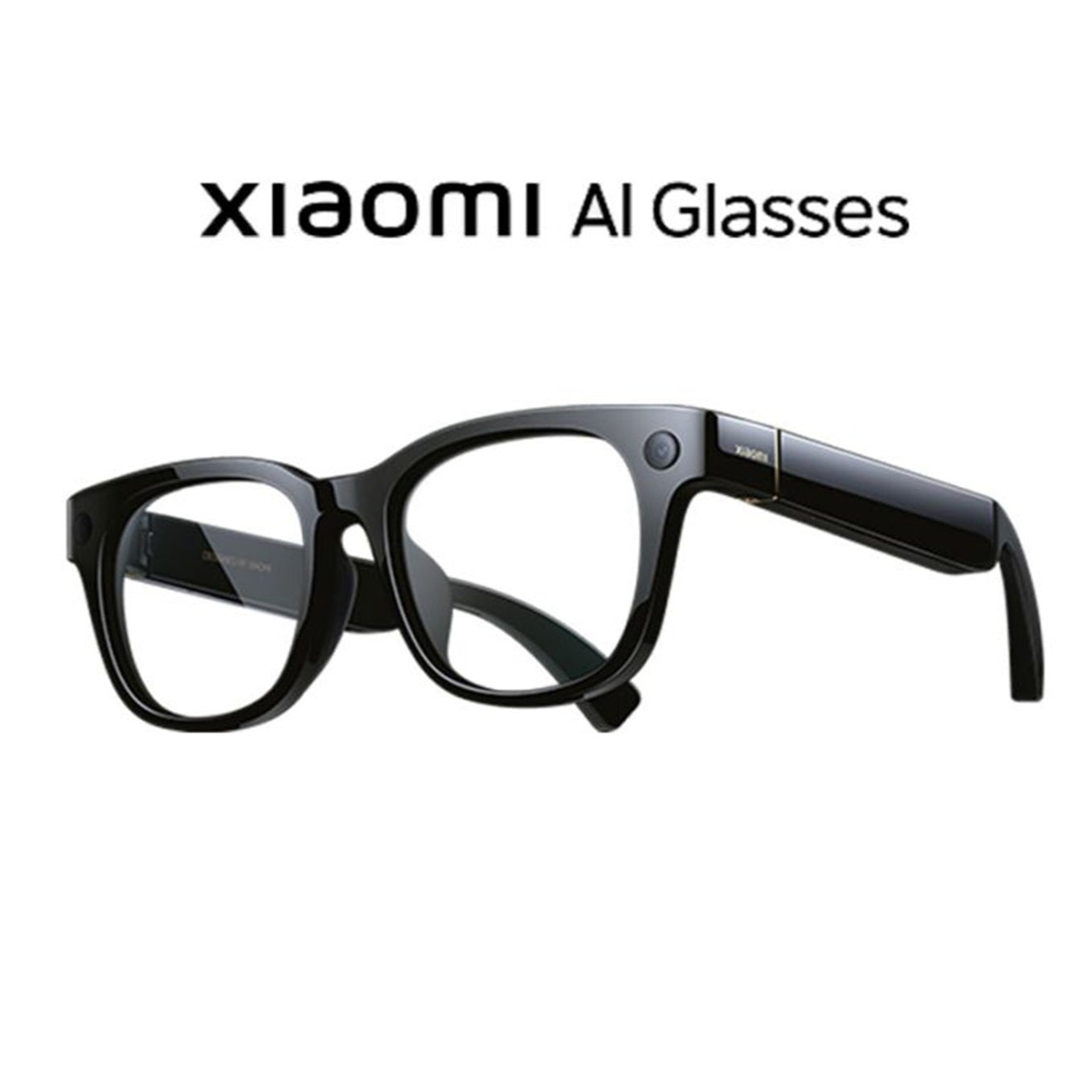
Xiaomi is extending its device ecosystem into eyewear. Its first-generation Xiaomi AI Glasses launched in mainland China in June 2025, while the company also offers audio-focused smart glasses.
Roadmap dates: confirmed milestones
These dates are based on public company announcements. They are milestones, not a promise that every future capability will arrive on a particular date.
Xiaomi reported a 40 g classic design, open-ear audio, AI functions, 10-language translation, electrochromic lenses and an 8.6-hour rated battery figure. These are manufacturer-reported specifications.
IDC reported Xiaomi at 2.3% of its Q2 2026 smart-glasses market table. This is a market-share snapshot, not a measure of product quality or user satisfaction.
Xiaomi's separate Smart Audio and Mijia Smart Audio lines focus on open-ear audio and calls; they should not be confused with its camera-equipped AI Glasses or with optical see-through AR glasses.
Sources: Xiaomi's 2025 annual report · IDC, Q2 2026 market table
The Xiaomi strategy
Xiaomi's eyewear portfolio spans AI glasses and audio-first smart glasses. The AI Glasses are a camera-and-audio product rather than a transparent AR display, while the Smart Audio and Mijia lines focus on open-ear listening and calls.
What Xiaomi AI Glasses are — and are not
The first-generation Xiaomi AI Glasses are camera-and-audio smart glasses, not optical see-through AR glasses: they do not put graphics in front of the wearer's eye. Xiaomi's separate Smart Audio and Mijia products focus on audio and calls. Keep those product categories separate when comparing specifications, battery life and market data.
AI and ecosystem
A voice assistant becomes more useful when it can respond to the wearer's immediate context. Camera input can help identify objects or interpret a scene, while audio output can keep interactions hands-free. These capabilities also raise important questions about consent, recording indicators, data retention and bystander privacy.
What to watch next
Watch for improvements in display brightness and clarity, battery life, prescription-lens support, frame choice, language coverage and the range of tasks that work reliably without a phone. Developer access and third-party services will also indicate whether the glasses are becoming a platform rather than a companion accessory.
Our outlook — analysis, not a launch prediction
The compelling possibility is a gradual transition: familiar AI glasses today, optional glanceable information as displays improve, and richer spatial experiences only when the hardware can support them comfortably. Xiaomi has not guaranteed a particular timetable for every future capability. Treat unannounced product dates and rumoured specifications as speculation until the company confirms them.